Daily park rhythm
The facility must recover quickly between concentrated walks, exercise groups, families and commuters moving through the same public node.
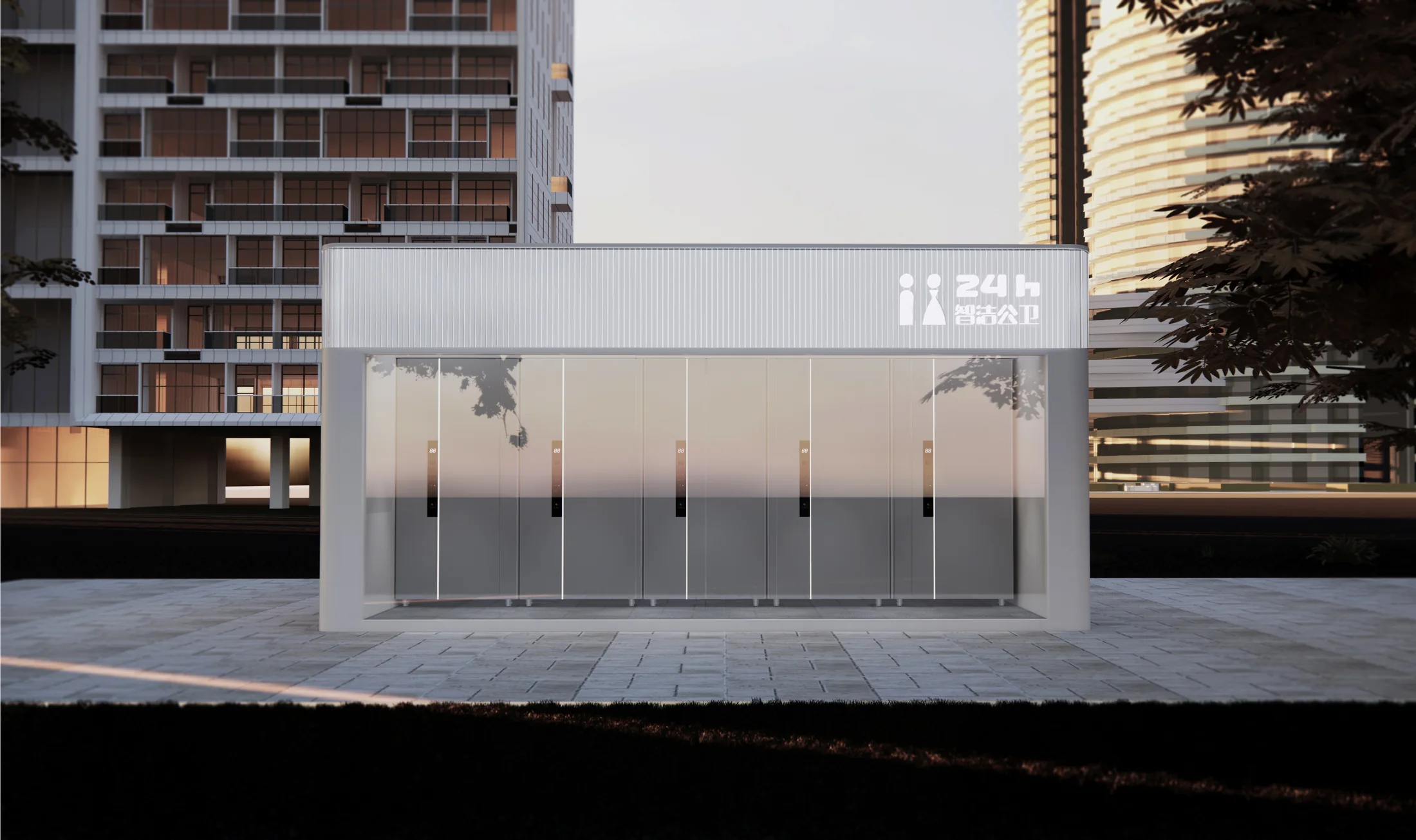
Government and civic projects
A standardized restroom node for parks, streets and plazas: clean after use, visible to operators and calm in the public landscape.
Real setting
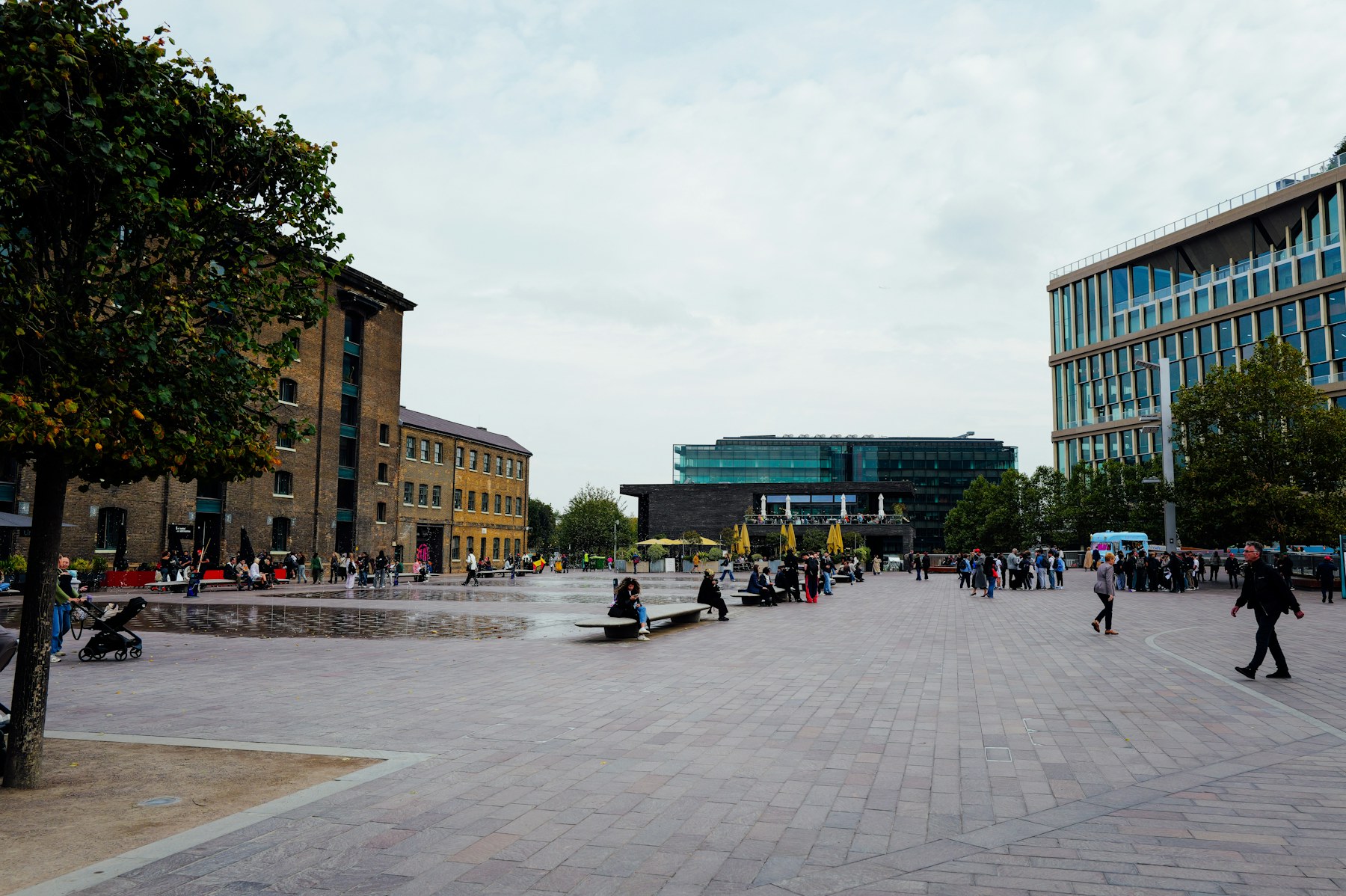
Civic restrooms live in open plazas, park edges and daily pedestrian routes. They need to be visible enough to serve, but calm enough to belong.
Civic judgment
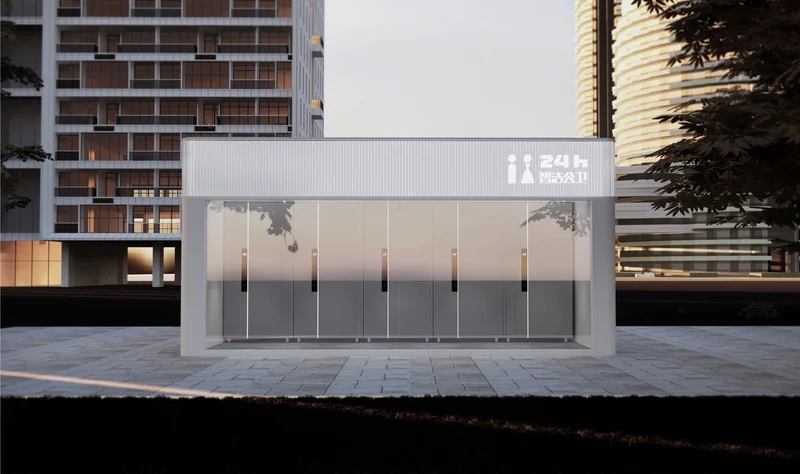
Parks, plazas and transit edges carry repeated, dispersed and unpredictable public use. The right facility is not a temporary fix. It is a managed civic node that can be repeated, monitored and kept visually calm.
A public restroom needs to be easy to find, safe to approach and quiet in the streetscape. Visibility, wayfinding and night access belong in the same decision.
Each unit reports status before a complaint becomes the first signal. Cities need patterns, not isolated units.
Standard modules make multi-site rollout, parts, training and maintenance easier to govern over years, not weeks.
Operating moments
The real experience is shaped by flow, timing, visibility and service distance.
The facility must recover quickly between concentrated walks, exercise groups, families and commuters moving through the same public node.
A restroom beside a plaza, waterfront route or transport stop becomes part of the city image, not a back-of-house utility.
City teams need to know which unit needs attention before sending staff across a wide public network.
Use pressure
In daily use
Recommended use
Best placed where daily foot traffic meets civic visibility: park entrances, plaza edges, transit transfer points and slow-mobility corridors.
A connected fleet lets municipal teams inspect by signal and usage pattern instead of relying only on fixed patrol loops.
Delivery path
Traffic, utilities, foundation, transport and timing shape the final recommendation.
Map traffic and complaint hotspots
Match indoor, outdoor or container formats
Prepare utility and foundation scope
Deploy, monitor and iterate by usage data
Configuration
Model, capacity, utilities, live status and service rhythm need to work together.
Use outdoor single modules for parks, street corners and service points where demand is steady but space is limited.
Use container stations near plazas, transit corridors and larger parks when queues, visibility and capacity matter together.
Connect multiple sites into one clear status model for cleaning cycles, faults, replenishment and usage rhythm.
Signals after launch
Typical starting configurations
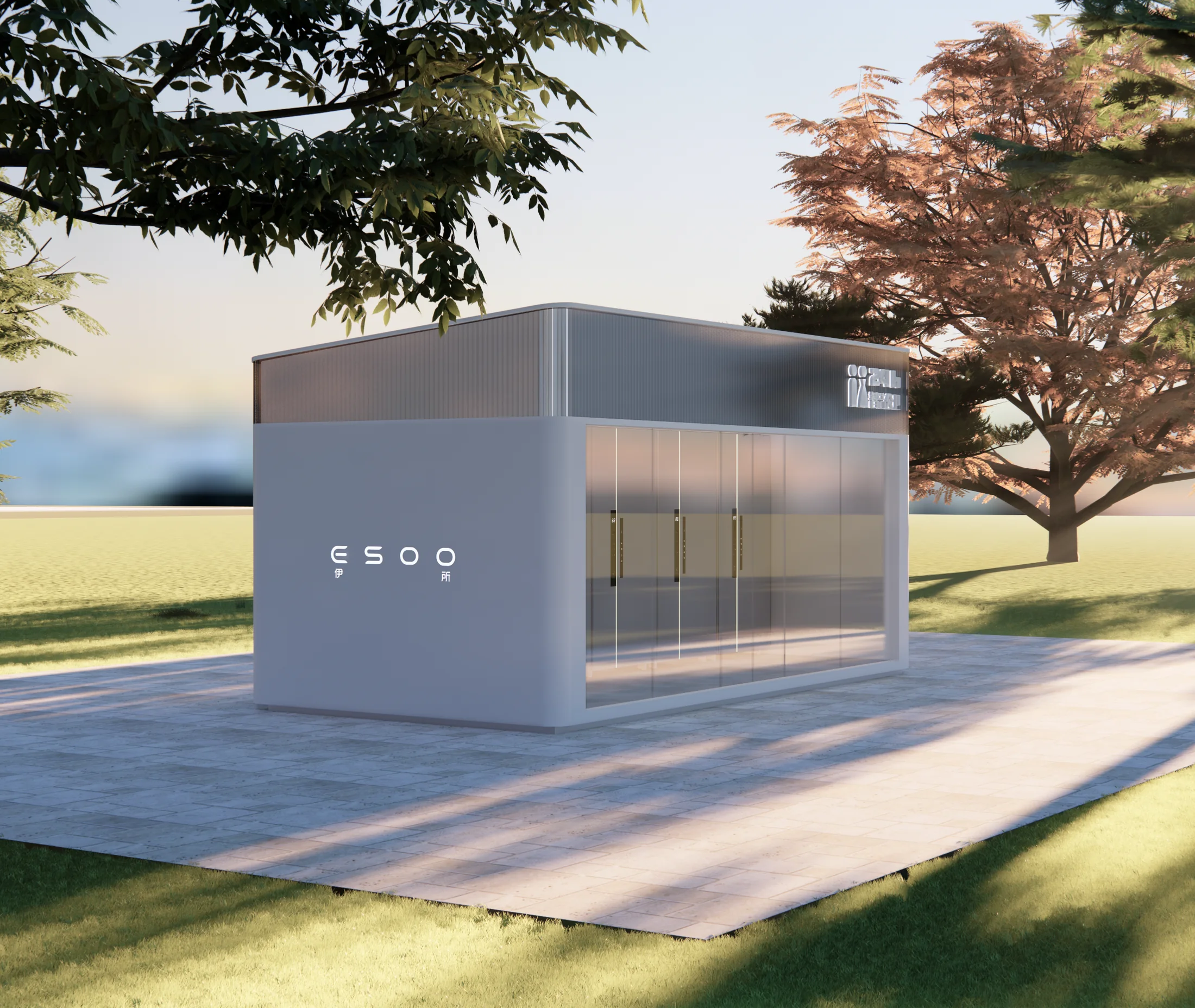
Outdoor and semi-off-grid use
From USD 4,200
Weather-ready sanitation with optional solar, tank configuration and live maintenance status.
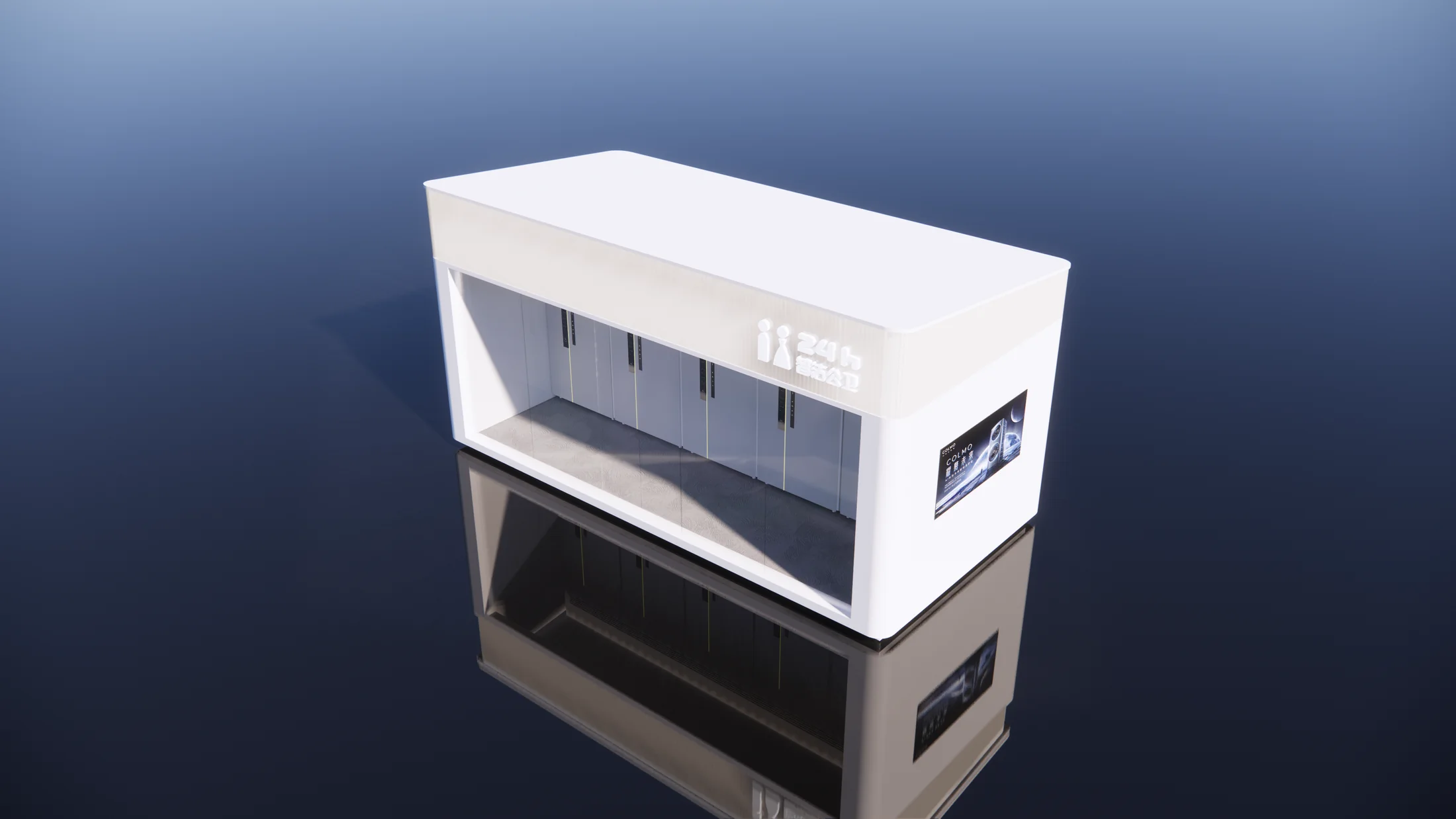
High-capacity public stations
From USD 16,800
A multi-cabin station for airports, stadiums, civic corridors, events and construction hubs.
Application, traffic, photos and drawings help ESOO recommend the model mix and delivery path.