Crowd transition points
Restroom pressure spikes where people enter, leave, eat, drink or wait between program moments.
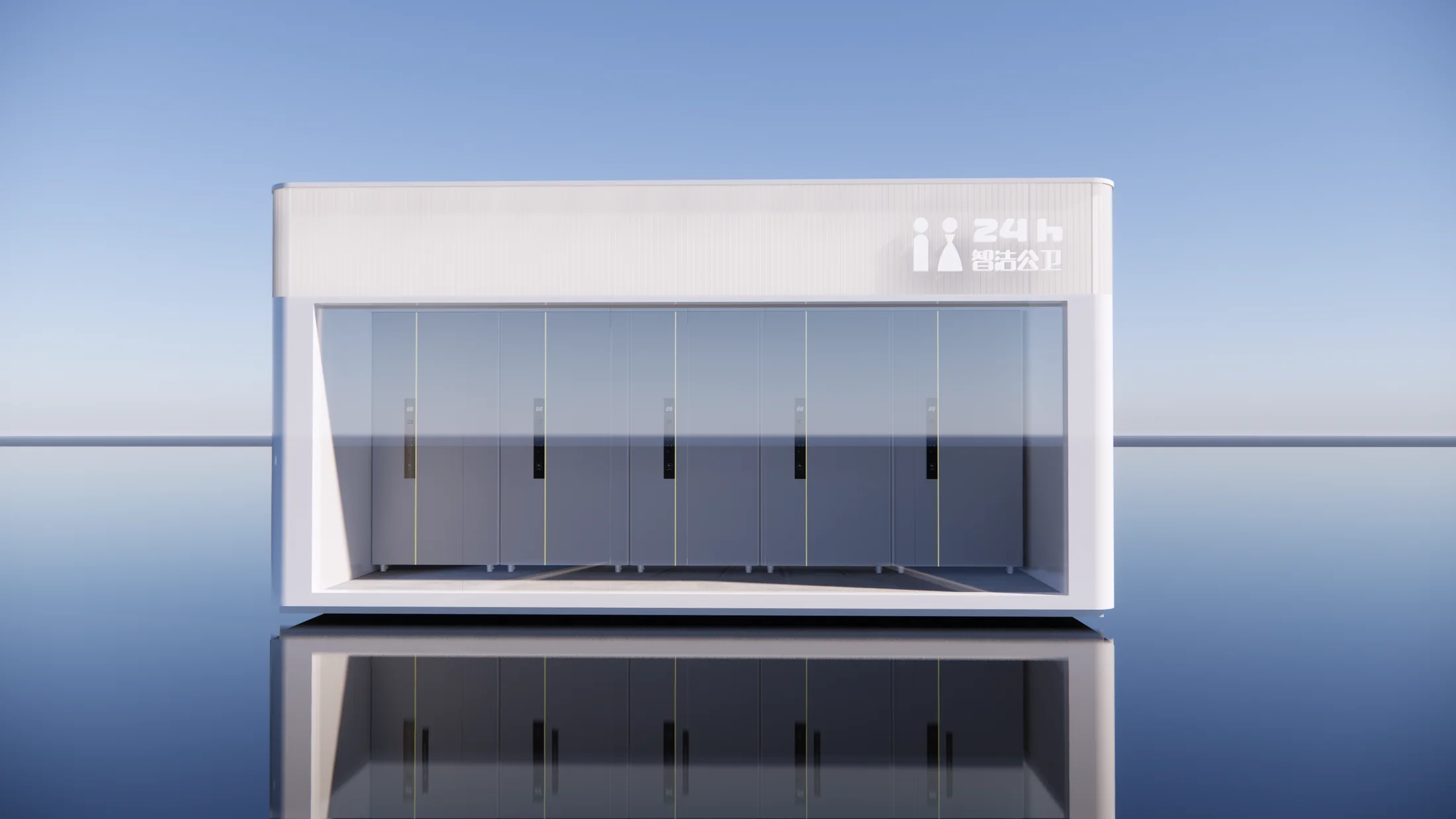
High-volume temporary demand
Containerized restroom stations for peak traffic, event queues and reusable temporary capacity.
Real setting
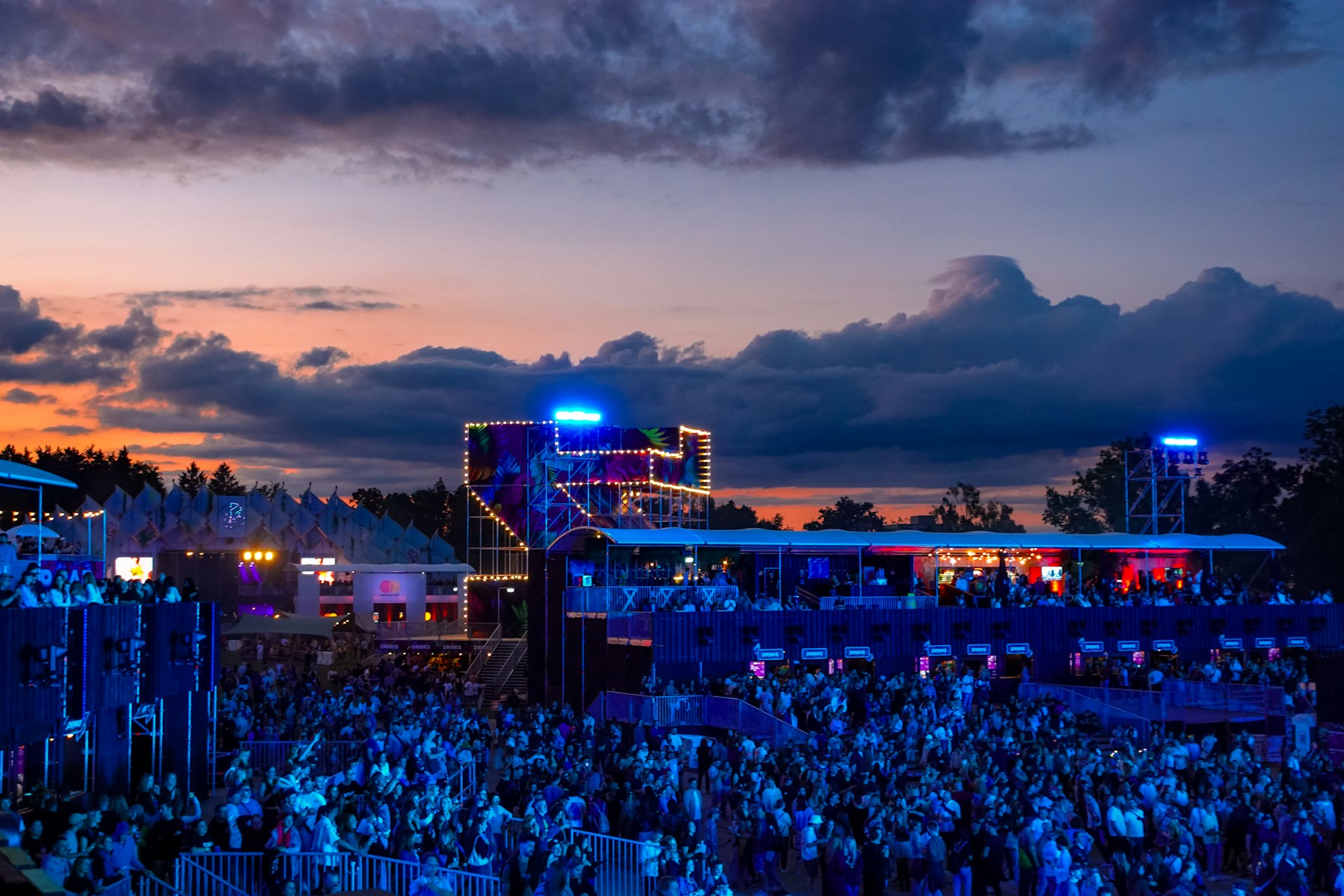
Events turn movement, waiting and service into one compressed moment. Restroom capacity needs to be planned before the crowd reaches it.
Temporary order
Events compress demand into minutes. A restroom zone can either become the weak edge of the venue or a controlled service line that sponsors, operators and guests can accept.
Entrances, food and beverage, viewing areas and exits need capacity that follows the crowd rhythm.
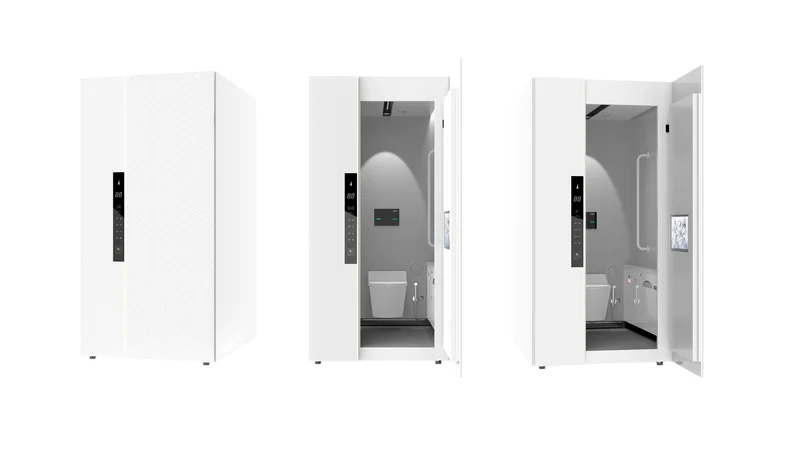
A reusable station gives temporary service a finished presence instead of a backstage compromise.
The same equipment works across a weekend, a season and the next venue on the calendar.
Operating moments
The real experience is shaped by flow, timing, visibility and service distance.
Restroom pressure spikes where people enter, leave, eat, drink or wait between program moments.
A temporary restroom can still feel permanent enough for sponsors, guests and public-facing event zones.
The same asset remains useful after one weekend, one season or one venue calendar.
Use pressure
In daily use
Recommended use
High-capacity stations belong near crowd transitions: entrances, food courts, viewing zones, transport exits and staff service corridors.
Reusable modules support event calendars: place for the peak, monitor during the run, then move the same asset to the next venue.
Delivery path
Traffic, utilities, foundation, transport and timing shape the final recommendation.
Estimate peak user flow
Place stations by entry, F&B and transit zones
Prepare power and water plan
Move or scale after the event
Configuration
Model, capacity, utilities, live status and service rhythm need to work together.
Use container stations for queue control, multiple cabins and a more finished temporary presence.
Use smaller outdoor modules to cover staff routes, remote gates and secondary zones.
Monitor usage, cleaning cycle status, water and faults during the event window, not after complaints build.
Signals after launch
Typical starting configurations
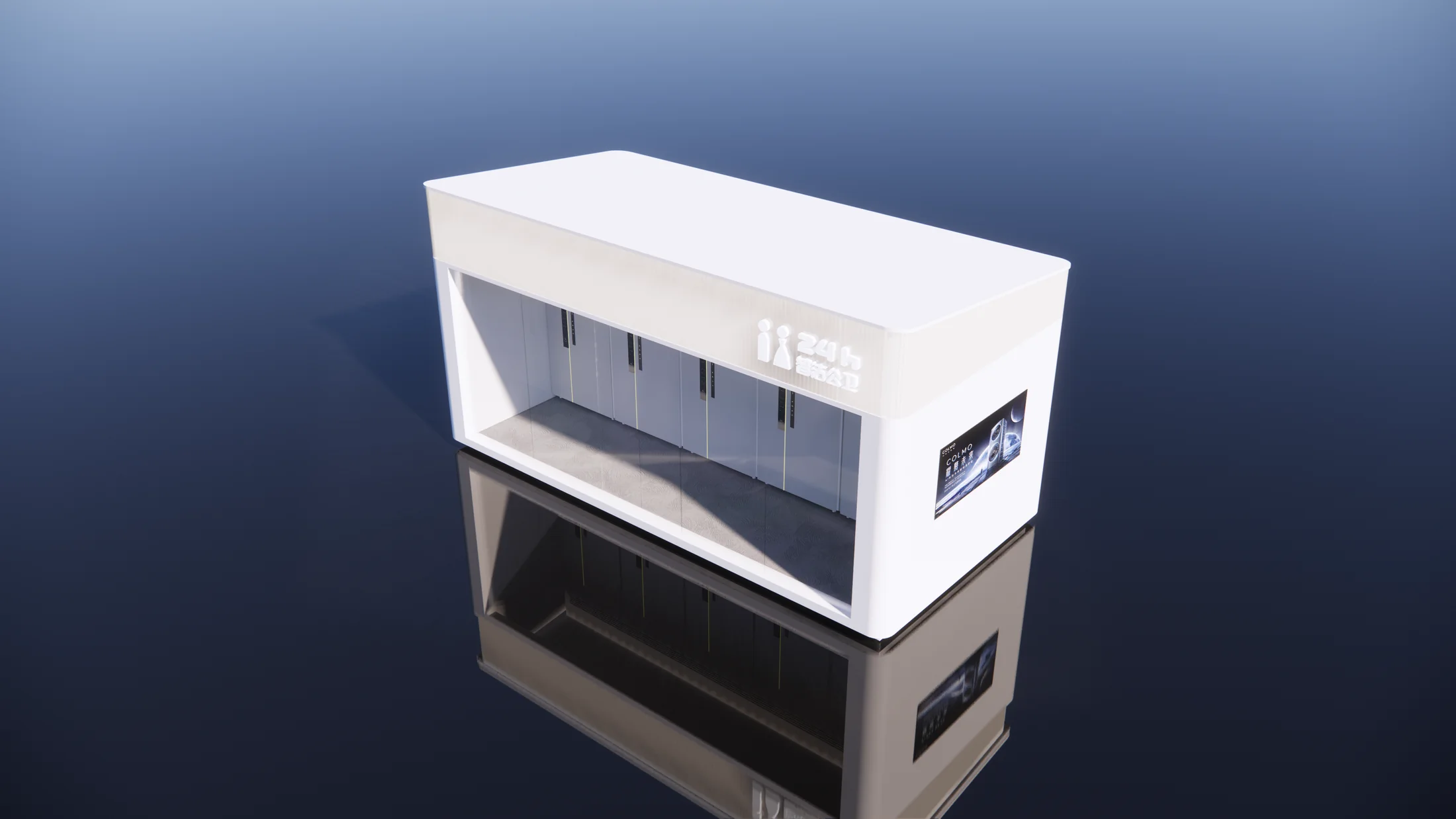
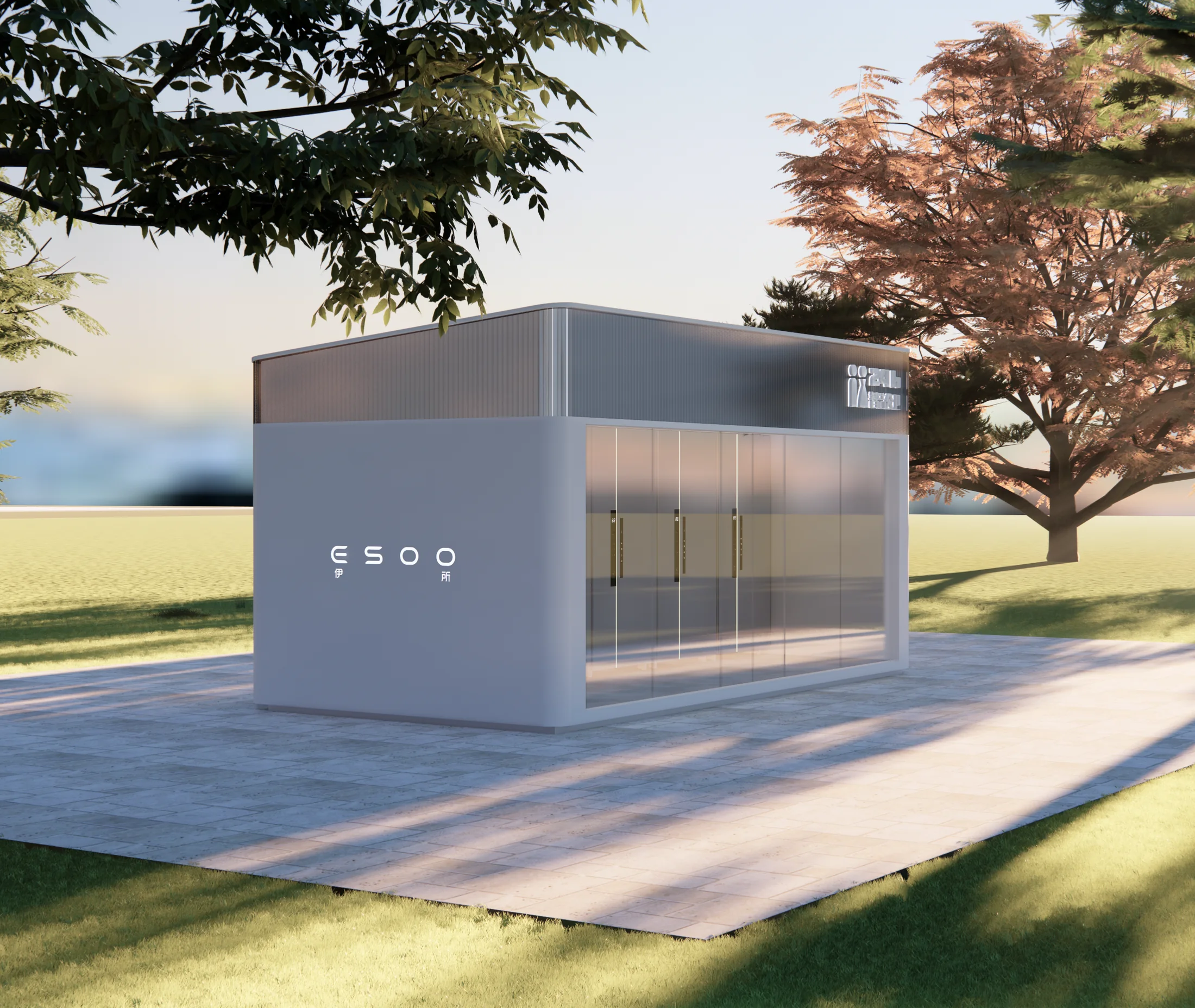
High-capacity public stations
From USD 16,800
A multi-cabin station for airports, stadiums, civic corridors, events and construction hubs.
Outdoor and semi-off-grid use
From USD 4,200
Weather-ready sanitation with optional solar, tank configuration and live maintenance status.
Application, traffic, photos and drawings help ESOO recommend the model mix and delivery path.