Shift changes and breaks
Restroom demand concentrates around breaks, gate movement and meal periods, exactly when poor facilities are most visible.
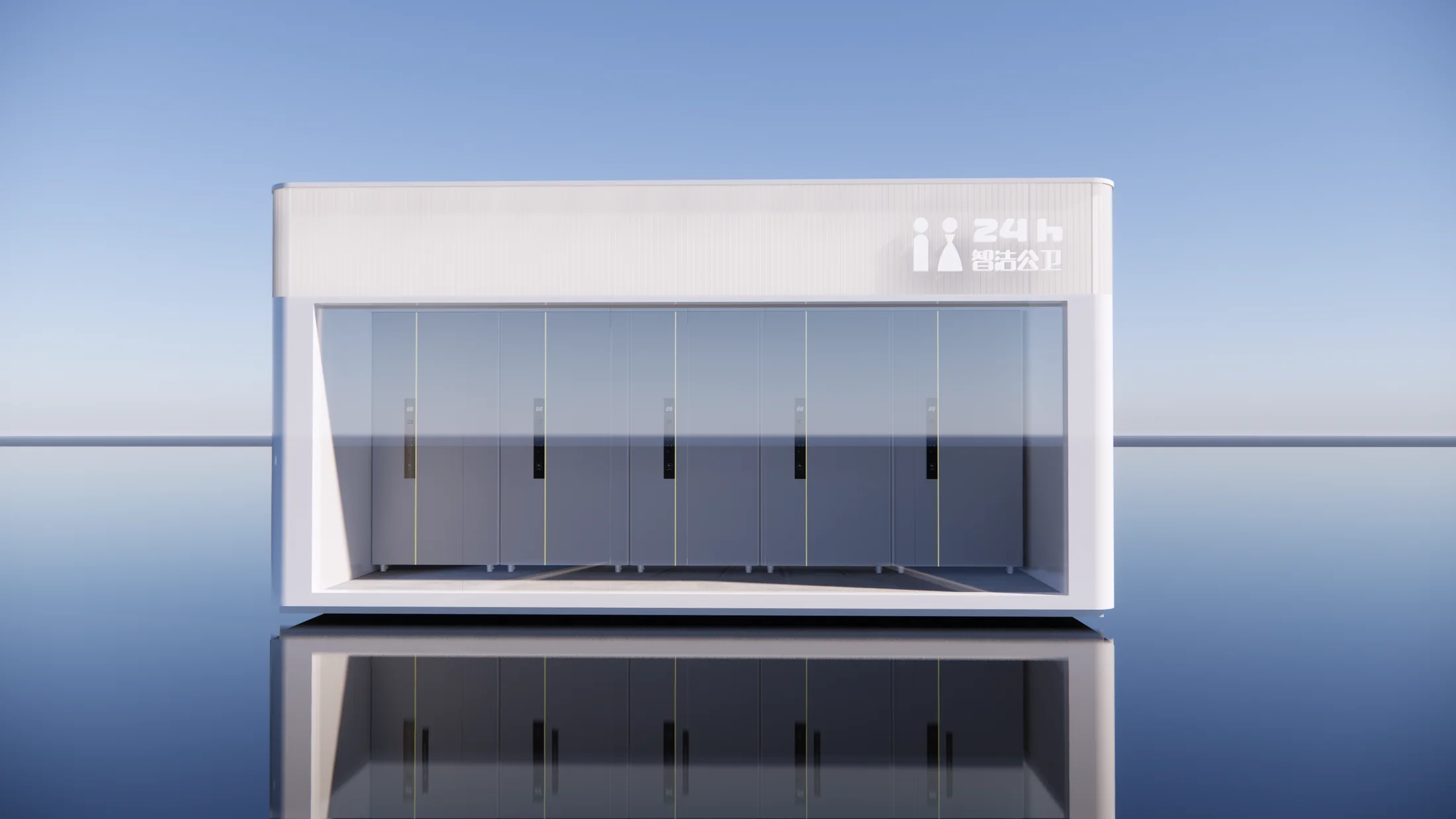
Temporary workforce infrastructure
Durable, relocatable restroom capacity for construction projects that change phase by phase.
Real setting
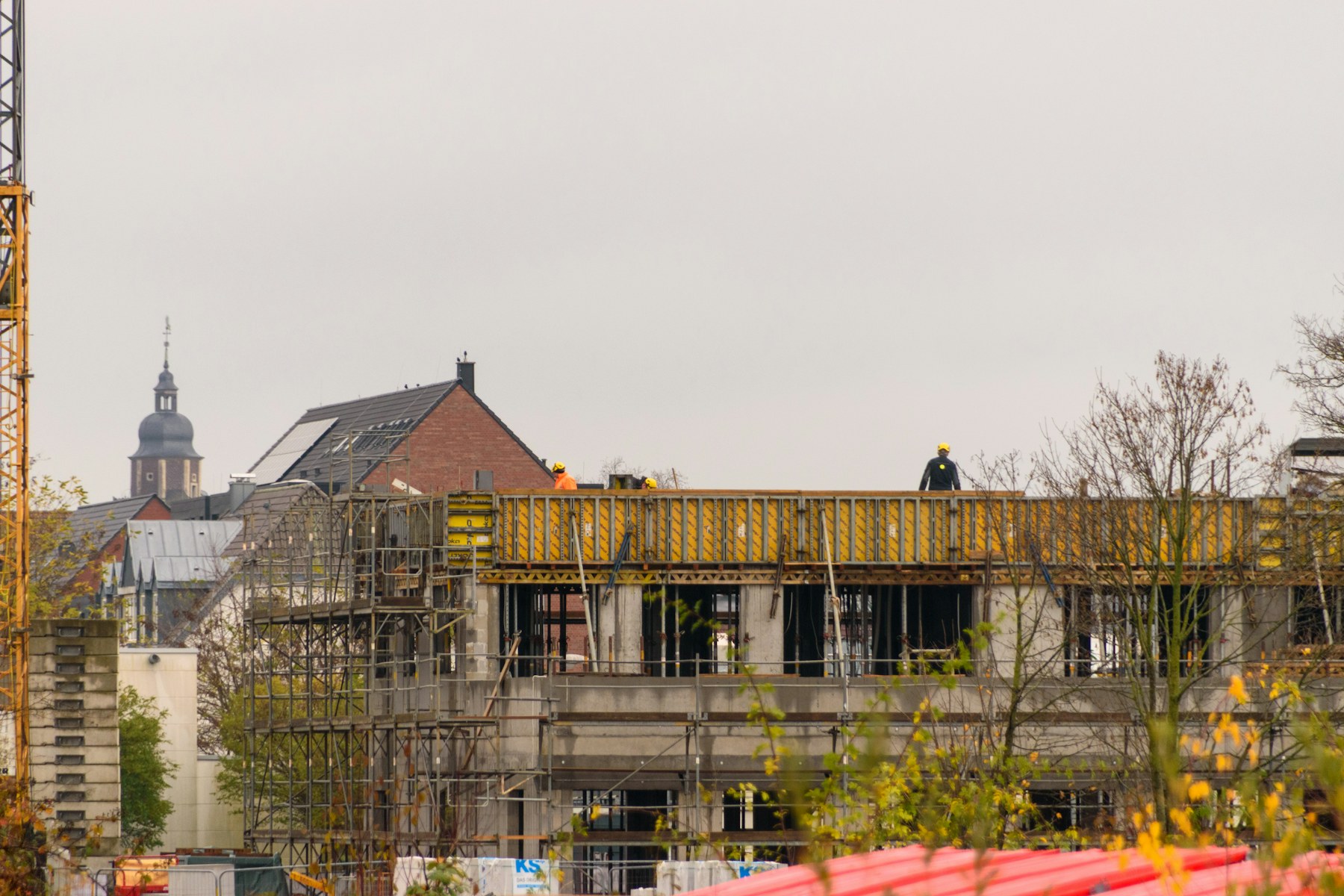
Construction teams move through phases, access roads and shift cycles. Restroom infrastructure needs the same discipline as the work around it.
Site welfare
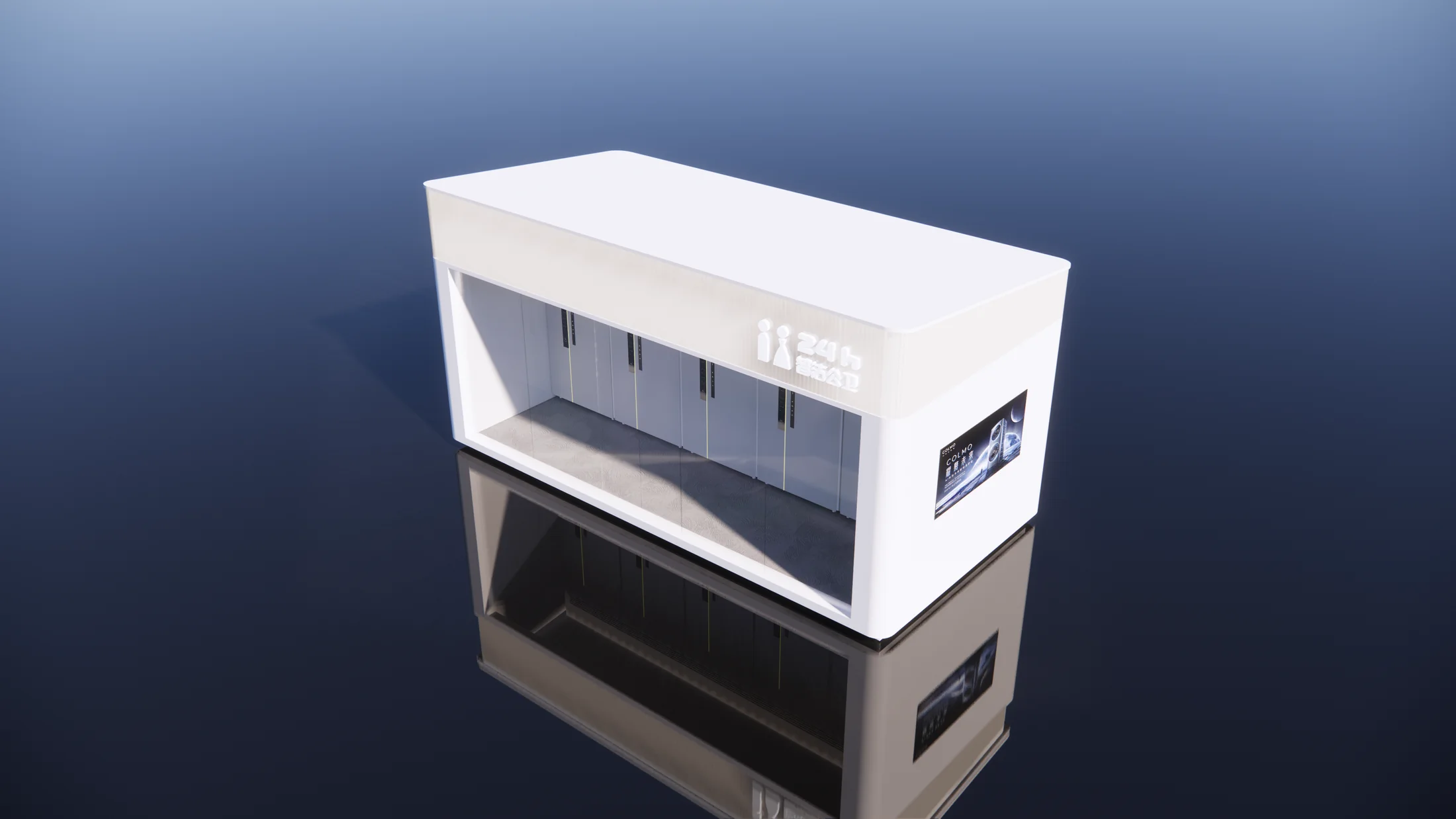
Construction sites change by phase, shift and access route. Welfare infrastructure has to move with that reality while giving project teams a cleaner, more accountable daily standard.
Gates, camps, rest areas and meal breaks create concentrated demand that needs durable capacity.
Relocatable modules keep facilities close as roads, work faces and rest zones change.
Connected status makes cleaning, replenishment and fault response easier to prove during long projects.
Operating moments
The real experience is shaped by flow, timing, visibility and service distance.
Restroom demand concentrates around breaks, gate movement and meal periods, exactly when poor facilities are most visible.
Work fronts, access roads and rest areas move over time, so fixed temporary toilets quickly become misplaced.
Better facilities support worker dignity, visitor impressions and documented service standards.
Use pressure
In daily use
Recommended use
Use container stations where the workforce concentrates, and smaller outdoor units where the project spreads across phases or distance.
Relocatable units can follow the work, while connected status gives project teams evidence for servicing and welfare standards.
Delivery path
Traffic, utilities, foundation, transport and timing shape the final recommendation.
Estimate worker count by phase
Place stations near work and rest areas
Plan utility or tank service
Relocate modules as the site advances
Configuration
Model, capacity, utilities, live status and service rhythm need to work together.
Place container stations near camps, gates and main rest areas where the workforce concentrates.
Use outdoor modules near remote work faces or logistics yards, then relocate as phases change.
Use connected status to support cleaning schedules, replenishment, fault response and welfare documentation.
Signals after launch
Typical starting configurations
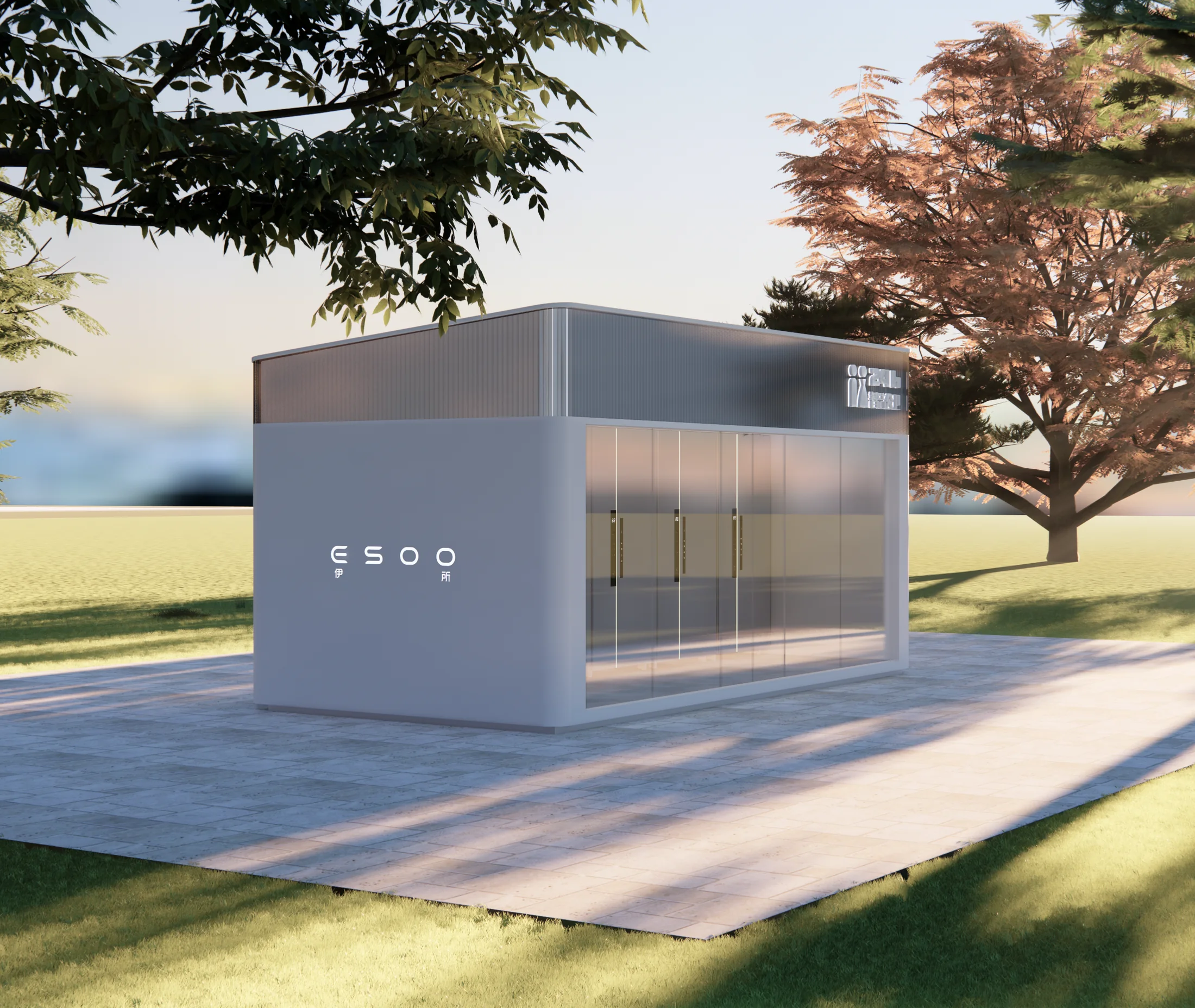
High-capacity public stations
From USD 16,800
A multi-cabin station for airports, stadiums, civic corridors, events and construction hubs.
Outdoor and semi-off-grid use
From USD 4,200
Weather-ready sanitation with optional solar, tank configuration and live maintenance status.
Application, traffic, photos and drawings help ESOO recommend the model mix and delivery path.